


Living Beyond Earth: Extraterrestrial Habitats and Their Potential

Chosen theme: Extraterrestrial Habitats and Their Potential. Picture resilient homes on the Moon, Mars, and in free space—places that protect, inspire, and expand human possibility. Explore with us, share your ideas, and tell us which off-world neighborhood you’d choose.

Why Build Beyond Earth?

From Exploration to Settlement

Humanity has always pushed past the horizon; the Moon and Mars are simply the next horizons. Artemis missions and future Mars expeditions transform reconnaissance into residence, turning brief visits into sustainable stays. What would make you feel at home under alien skies?

New Frontiers of Science and Industry

Off-world labs can exploit microgravity and extreme environments to advance materials, medicine, and manufacturing. Lunar far-side radio telescopes could listen to the early universe in quiet isolation. Share which breakthrough—medicine, energy, or astronomy—you hope a habitat will unlock first.

Anecdote: The Quiet Midnight Above Mauna Loa

A Mars analog crewmember wrote about stepping outside the habitat at night, hearing only wind against a rigid suit. That silence made routine maintenance feel heroic. If you’ve experienced remote living, tell us what small rituals helped you feel grounded.

Designing for Alien Environments

Cosmic rays and solar storms demand robust shielding. Techniques include burying modules beneath regolith berms, lining walls with water or polyethylene, and locating habitats in lava tubes. What combination of mass and layout do you think provides the safest, coziest refuge?

Designing for Alien Environments

Habitats are pressurized islands in a hostile sea. Multiple bulkheads, double-door airlocks, and leak-before-burst tanks create forgiving margins. Systems overlap intentionally, because reliability is survival. Which redundancy—power, thermal control, or atmosphere—would you overbuild first, and why?

Building With What We Find

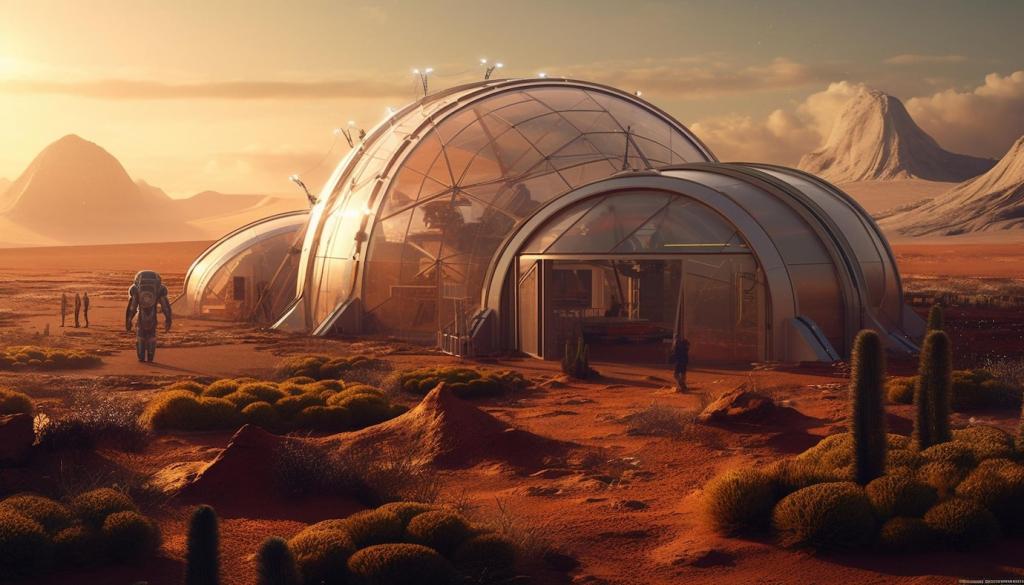
Autonomous printers can sinter or bind regolith into arches, vaults, and radiation berms. Microwave and solar concentrators fuse grains into sturdy shells. Imagine walking into a dome the robots finished yesterday—would you trust it enough to hang your family photos?

Building With What We Find

Ice is life: water to drink, oxygen to breathe, and radiation shielding in a single asset. Permanently shadowed lunar craters and Martian mid-latitudes may host accessible ice. How would you balance mining rates with conservation to ensure decades of sustainable living?

Life Support That Loves to Loop

Reliable atmosphere control scrubs CO2 with amines or zeolites, stores oxygen safely, and recovers resources via Sabatier reactors. Sensors watch humidity, particulates, and trace contaminants. What scent would you introduce—pine, ocean, or rain—to make recycled air feel emotionally fresh?

Life Support That Loves to Loop

The ISS now recovers up to about ninety-eight percent of water from humidity, urine, and condensate. Off-world, that efficiency becomes essential. Picture your first glass—cold, clean, and reclaimed. Would you toast to engineering, teamwork, or the courage to trust the system?

Life Support That Loves to Loop

Hydroponics and controlled-environment agriculture yield leafy greens, berries, and herbs that boost nutrition and morale. Astronauts described tasting space-grown lettuce as both novelty and relief. What comfort food would you coax from a compact galley garden under LED skies?

Humans at the Heart of Habitats

Dynamic lighting supports circadian rhythms when day and night no longer behave. Warm mornings, bright work hours, and calm evenings reduce fatigue. Which colors would you paint a Martian common room to keep spirits high during long dust-storm seasons?

Humans at the Heart of Habitats

Acoustic dampening, personal niches, and flexible common areas balance solitude and togetherness. Transparent corridors near shielded windows offer rare views without risk. What multipurpose space—library, gym, studio—should every habitat include to nurture body, mind, and friendship?
Survey, Scout, and Sample
Rovers and hoppers map terrain, sniff for volatiles, and test soils for construction. Swarm strategies cover ground fast while relays maintain communications. What sensors would you pack first—ground-penetrating radar, spectrometers, or thermal cameras—to choose the safest, richest site?
Assembly in Vacuum and Dust
Teleoperation with time delay demands autonomy for repetitive tasks. Standardized interfaces, self-aligning latches, and dust-tolerant connectors keep progress steady. Imagine watching a live feed as a robotic arm seats the last truss—would you cheer, or quietly hold your breath?
Maintenance Without a Repair Shop
Predictive diagnostics, onboard toolkits, and printable spares let robots fix themselves and each other. Modular subsystems swap quickly to restore function. What contingency would you plan for first—a stuck hatch, a torn surface blanket, or a stubborn valve?

Law Above the Sky

The Outer Space Treaty bans national appropriation and encourages peaceful use, while the Artemis Accords outline transparency and safety zones. How should habitats respect heritage sites and share resources fairly without stalling genuine progress and investment?

Economics of a Distant Supply Chain

Early habitats rely on Earth shipments, then bootstrap with local production and propellant depots. Standard parts, reusable landers, and cislunar logistics cut costs. Which business model—public infrastructure with private services, or cooperatives—feels most resilient for a centuries-long endeavor?

Engagement: Your Voice in the Design

Open design challenges, citizen science, and classroom projects can shape real decisions. Comment with your habitat must-have, follow for prototypes and interviews, and invite a friend who would thrive under a crimson Martian sunset or a silent lunar sky.
Mamaparfum
Privacy Overview

This website uses cookies so that we can provide you with the best user experience possible. Cookie information is stored in your browser and performs functions such as recognising you when you return to our website and helping our team to understand which sections of the website you find most interesting and useful.